
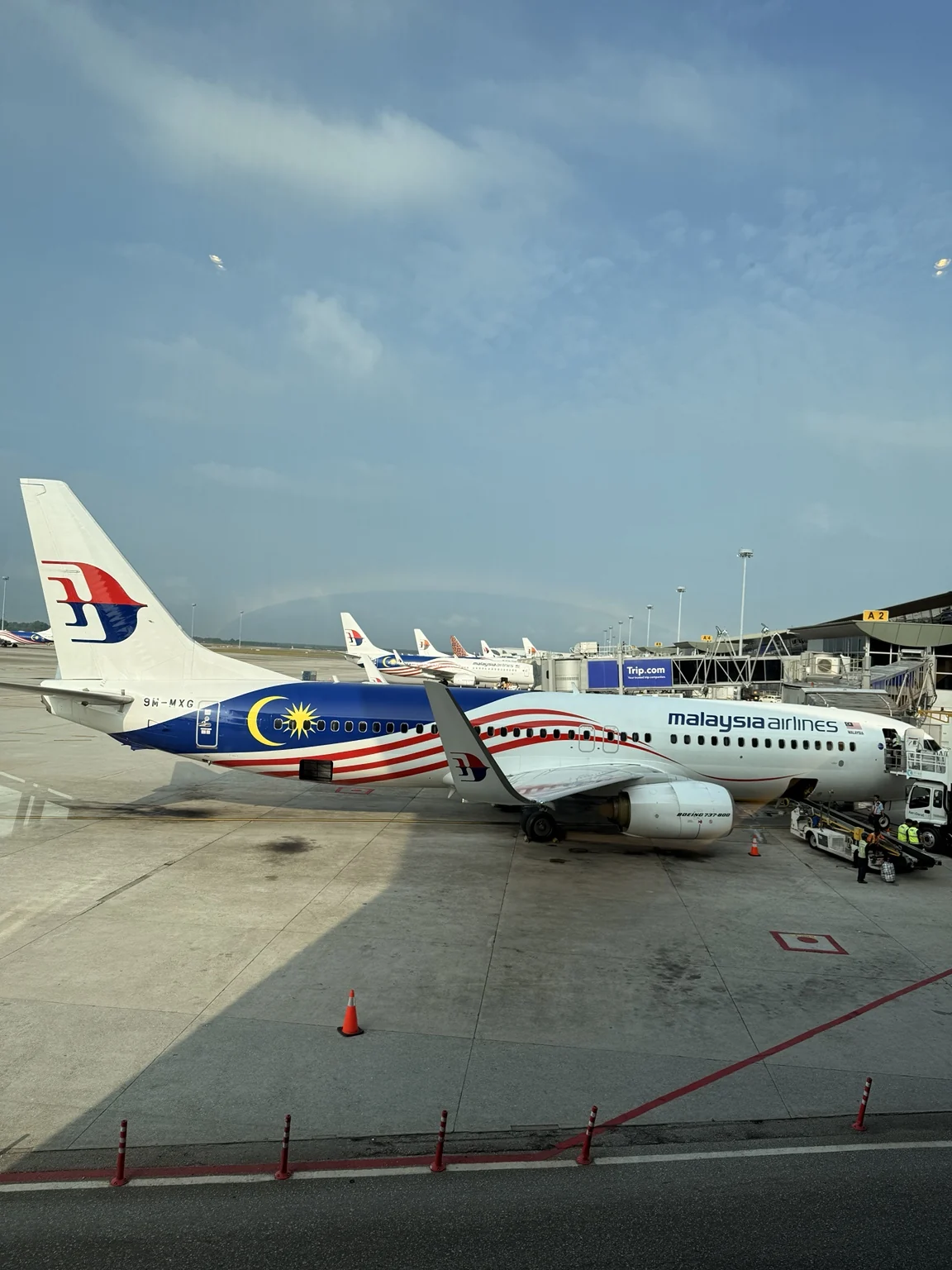
An Economy ticket does not always mean an entirely Economy experience at the airport. On an eligible journey, an Enrich Gold member can check in at a priority counter, spend time in a lounge and bring an eligible travelling companion along. The seat on the aircraft is still Economy, but the hours around the flight can feel considerably more comfortable.
That is one reason to understand Malaysia Airlines Enrich. Another is the chance to use points for a flight you would otherwise pay for, or put a premium cabin within reach. Those two goals are related, but they are earned differently. A traveller with a substantial credit-card points balance may have enough for a redemption without holding elite status; a frequent flyer can hold Gold without having enough redeemable points for the next trip.
This guide explains both sides of the programme, with Malaysian credit cards and departures from Kuala Lumpur, Penang, Kuching and Kota Kinabalu in mind. We will start with what you can get from membership, then work through the earning rules, redemptions and a realistic route towards a higher tier. The detailed partner booking-class table comes later, once the calculations make sense.
In this guide
Is Enrich a useful programme for your travel?
Enrich is Malaysia Airlines' loyalty programme. You can earn redeemable points from eligible flights, bank-card spending and participating partners, then use those points for flights and other rewards. You can also qualify for Silver, Gold or Platinum status, which brings airport and travel benefits. Because Malaysia Airlines belongs to oneworld, membership can be useful beyond flights carrying the MH logo.
It is a natural programme to consider if Malaysia Airlines already serves the journeys you take. Someone travelling regularly between Penang and Kuala Lumpur, for example, can earn on those domestic trips and add an international holiday through KUL to the same account. Eligible flights on airlines such as Qatar Airways, Cathay Pacific and Japan Airlines may also contribute. You do not need a separate Enrich account for each airline, although each flight's booking class must qualify.
The more useful question is whether the programme fits your actual itinerary. A convenient departure, a sensible connection and an acceptable fare should come before a points target. From Penang, compare a Malaysia Airlines connection through Kuala Lumpur with Singapore Airlines via Singapore when both serve the destination. Apply the same thinking from Kuching or Kota Kinabalu when those routings are available for your dates. The better choice depends on the whole journey, including the fare, transit and cabin on every leg.
Singapore Airlines belongs to Star Alliance, so its flights do not contribute to a status plan within oneworld. That does not make an SQ itinerary a poor choice. It means Enrich and KrisFlyer serve different purposes. If you frequently use both networks, keeping transferable bank points available until you know which flight you want can be more useful than sending everything to Enrich in advance.
Joining and using your membership
Start through the official Enrich membership page and register in the same name you use on your travel documents. Keep the membership number somewhere accessible when booking flights. If you already have an account, recover it rather than creating another one and splitting your activity between two memberships.
Add that number to an eligible booking and check that it remains attached at check-in. Each passenger earns for their own eligible travel: buying two tickets does not put both passengers' flight earnings into the purchaser's account. You may earn credit-card rewards for paying the bill, while your companion earns the flight points attached to their own membership. That separation becomes especially useful when you plan travel as a couple.
Enrich Points and Elite Points: what each balance does
Your account has two balances with different jobs. Enrich Points are the points you spend. Eligible flying and bank-card activity can build this balance, and an award booking uses some of it. Elite Points, often shortened to EP, track your progress towards status. They are qualification credits rather than a currency you can exchange for a flight.
Imagine you start at Blue and transfer enough bank rewards to receive 50,000 Enrich Points. Your redeemable balance increases by 50,000, but that transfer does not give you 50,000 EP or automatically turn your membership Gold. You have improved your ability to book a reward, rather than your position on the status ladder. Conversely, spending Enrich Points on a redemption does not remove the EP you have already earned towards status.
An eligible paid flight can contribute to both balances at once, using different calculations. On a qualifying Malaysia Airlines cash ticket, the redeemable points generally depend on eligible fare spending and your membership tier. The EP depend on the individual flight sector's distance zone and cabin. Two travellers in the same cabin can therefore earn different Enrich Points because they paid different eligible fares, while receiving the same EP for that sector.
| What you are looking at | What it tells you | What you use it for |
|---|---|---|
| Enrich Points | Your redeemable balance | Flight awards, permitted upgrades and other rewards |
| Elite Points / EP | Qualifying activity towards a membership tier | Silver, Gold or Platinum qualification |
| Ticketed Point Mileage / TPM | The distance assigned to an individual flight sector | Partner earning calculations and the relevant EP distance zone |
The older phrase ‘elite miles’ is still used informally, but the current qualification unit is Elite Points. TPM is not another balance to collect. It is a distance input used by the programme. It also explains why a journey with a connection must be broken into separate flights: Penang–Kuala Lumpur and Kuala Lumpur–Tokyo are two sectors, with separate distance zones. Treating the whole itinerary as one long flight can give you the wrong answer.
What Silver, Gold and Platinum actually give you
The main reason to pursue a tier is the benefit you will use after earning it. A lounge matters more if you regularly have time between flights; additional baggage matters more if you actually check bags. Someone who already buys Business Class with lounge access may get less extra value from Gold than an Economy traveller using the same airports.
For activity earned from 2026, the standard thresholds are 35 EP for Silver, 70 for Gold and 140 for Platinum. Eligible principal AmBank Enrich cardholders have lower targets, discussed in the credit-card section. These are total thresholds: reaching Gold means accumulating 70 qualifying EP, rather than earning 35 for Silver and then another 70. The official 2026 update distinguishes these targets from the older rules used for 2025 activity.
| Tier | Standard EP target | oneworld recognition | Main reason to consider it |
|---|---|---|---|
| Blue | Join the programme | No alliance elite tier | Earn and use points without pursuing status |
| Silver | 35 | Ruby | MH airport priorities and additional baggage |
| Gold | 70 | Sapphire | Eligible lounge access and broader airport benefits, including on Economy trips |
| Platinum | 140 | Emerald | Higher-tier lounge access, additional MH privileges and Platinum Points treatment |
Blue: enough to start earning and redeeming
Blue is the starting membership, and it already gives you access to the core rewards programme. You do not need to reach Gold before using points for an available award. That makes remaining Blue a perfectly workable approach for someone who flies occasionally but earns a useful points balance through an eligible Malaysian credit card.
Enrich also offers an always-on discount on eligible MH fares through the prescribed member booking channels. Treat it as a fare comparison opportunity, rather than assuming every ticket will be 5% cheaper at checkout. A discount on an eligible fare component does not remove airport taxes or make every promotion and codeshare eligible.
Silver: useful airport conveniences, without a status lounge benefit
Silver adds priority check-in, boarding and baggage handling on eligible Malaysia Airlines travel, together with an additional 10kg baggage allowance. For a regular domestic traveller, those can be the benefits used most often. A separate check-in queue can be useful on a busy departure, and extra baggage can avoid paying for an allowance you would otherwise need.
The important limitation is lounge access. Silver alone does not provide complimentary lounge entry. If your main objective is to sit in the Golden Lounge before two or three trips a year, calculating the cost of reaching Silver will not solve that problem. You would need a separate eligible ticket or lounge entitlement, or aim for a tier that actually includes it. Its oneworld Ruby recognition is also more limited than Gold's Sapphire benefits.
Gold: the tier that can change an Economy trip most noticeably
Gold adds eligible Business lounge access and oneworld Sapphire recognition. On Malaysia Airlines, its additional baggage benefit is 50% of the ticket's standard allowance, subject to the applicable ticket rules. For example, an eligible 20kg allowance would receive another 10kg under that percentage calculation. The percentage is an MH rule, not a universal allowance to apply to every partner airline.
Consider a couple flying MH Economy from Kuala Lumpur. If one traveller holds Enrich Gold, the eligible member can use the Business Golden Lounge at KLIA and bring one eligible companion travelling on the same flight and date. That can turn a long wait into time for a meal and somewhere to sit together, without both passengers having to qualify for Gold. Both still need to satisfy the lounge's entry conditions; holding the membership does not create unlimited guest access.
Our view is that Gold deserves particular attention from travellers who often buy Economy but want a more comfortable airport experience. That is a judgement about how the benefits can be used, not a promise that Gold is worth any price. If you mostly take short trips with little airport waiting time, carry only hand baggage and already have suitable card lounge access, the extra value may be modest.
Platinum: valuable when the additional privileges fit your journeys
Platinum adds oneworld Emerald, access to eligible higher-tier lounges and a 100% additional MH baggage allowance under the relevant ticket rules. MH also lists benefits such as complimentary seat-selection options and an international KLIA meet-and-greet service requested at least 24 hours ahead. These are specific privileges with conditions; status should not be understood as a guarantee of a free upgrade to Business Class.
One meaningful distinction is the treatment of points earned during Platinum membership. Those Platinum Points do not expire, even after a later downgrade. That is different from promising that all old points in your account suddenly become non-expiring. A traveller with an existing expiring balance should check how those points are recorded before assuming they can keep them indefinitely.
Platinum members can also nominate a Platinum Companion under the programme rules. From 2026, the Companion's lounge access is for that individual, without a guest entitlement. This matters when planning for more than two people: a principal Platinum membership and a Companion membership should not be counted as four lounge admissions. The membership benefits page sets out the MH entitlements in detail.
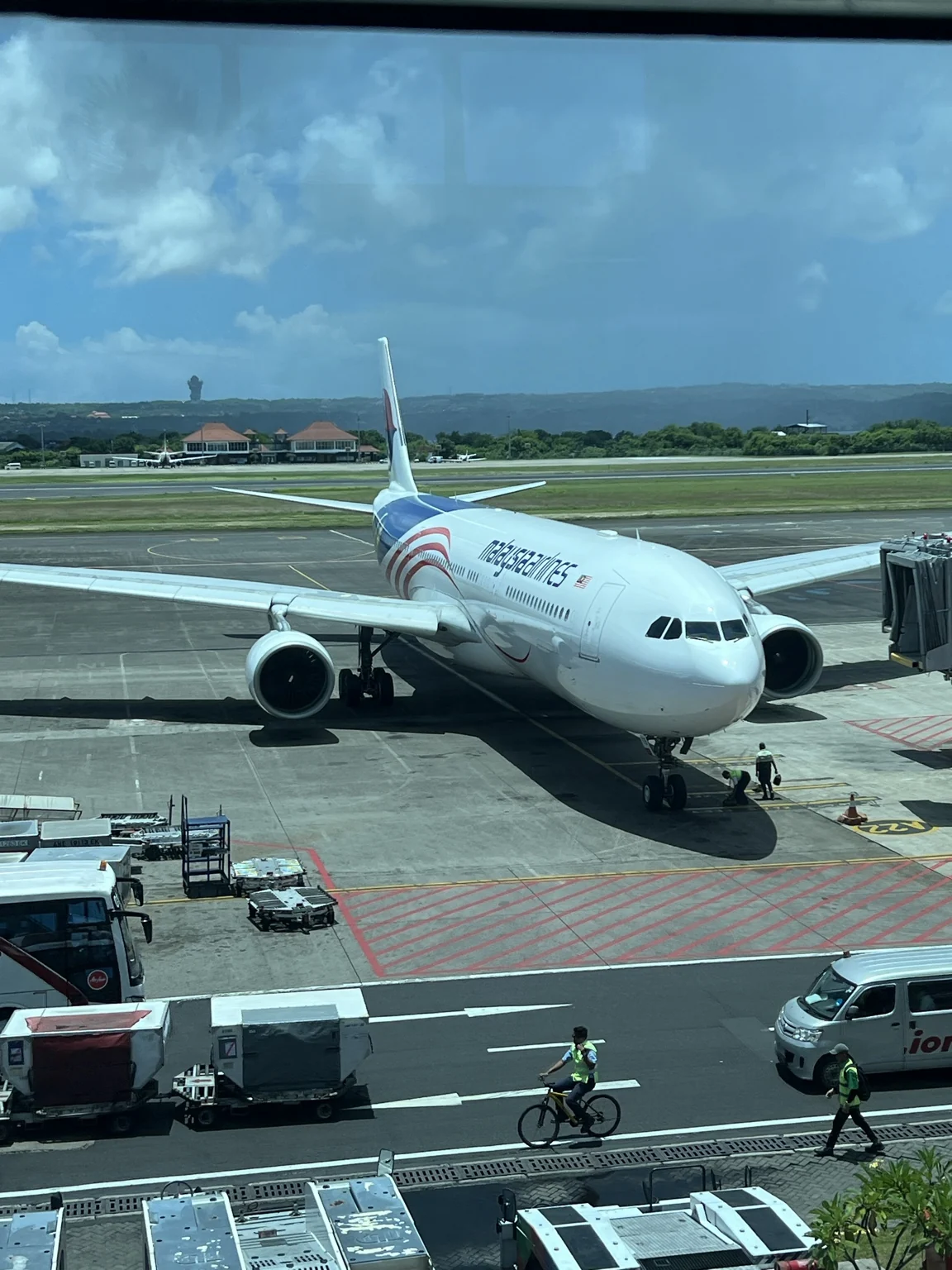
How your status works on oneworld airlines
The oneworld name on your Enrich card is the bridge between your Malaysia Airlines membership and participating airlines. Silver maps to Ruby, Gold to Sapphire and Platinum to Emerald. You do not apply separately for Sapphire after reaching Gold; it is the alliance recognition associated with that tier.
The practical benefit is that you can retain useful airport privileges when the best eligible itinerary is with another member airline. On a qualifying Cathay Pacific or Qatar Airways Economy journey, for instance, Enrich Gold can provide Sapphire lounge and priority benefits even though you did not buy an MH flight. This makes status more useful to someone whose annual travel is spread across several oneworld carriers.
| Alliance tier | Check-in and boarding | Lounge access through status |
|---|---|---|
| Ruby / Enrich Silver | Business priority check-in; other priorities follow airline rules | No general lounge entitlement |
| Sapphire / Enrich Gold | Business priority check-in and priority boarding | Eligible Business or frequent-flyer lounges |
| Emerald / Enrich Platinum | First priority check-in, priority boarding and participating security fast tracks | Eligible First, Business or frequent-flyer lounges |
The oneworld lounge policy normally requires a flight both marketed and operated by a member airline. Sapphire and Emerald can generally bring one guest who is also travelling on an eligible oneworld flight. The alliance's general guest wording is not a universal same-flight rule, while MH Golden Lounge specifies the same flight and date. Check the policy of the lounge you will actually enter.
Lounge names also matter. Enrich Platinum on Qatar Economy does not automatically unlock Al Safwa First or Al Mourjan Business in Doha. Qatar provides separate status lounges, including Platinum and Gold lounges. British Airways Concorde lounges are excluded from standard Emerald access. Looking up the exact lounge before departure is more useful than assuming every premium-looking lounge in the terminal accepts your tier.
Baggage follows a similar principle. Under the weight system, the alliance rules provide an additional 15kg for eligible Sapphire Economy travel and 20kg for Emerald. Piece-system rules and baggage-free fares have their own conditions. Read the operating airline's allowance for your ticket instead of carrying MH's 50% or 100% formula across to another carrier.
How you earn Enrich Points from flights
For eligible revenue-based MH travel, earning starts with the eligible fare rather than the full amount charged to your card. The eligible amount includes the relevant base fare and carrier-related charges. Government and airport taxes are excluded, and a voucher discount can reduce the earning base. Your membership tier then determines the multiplier applied to that amount.
Suppose the final price of a ticket is RM1,400, but the eligible fare and carrier charges total RM1,000. The remaining RM400 is not included in this example's earning base. Here is what the same eligible RM1,000 would produce under the current multipliers:
| Membership at the applicable earning tier | Enrich Points per eligible RM1 | Points on RM1,000 eligible fare |
|---|---|---|
| Blue | 1.5 | 1,500 |
| Silver | 1.8 | 1,800 |
| Gold | 2.2 | 2,200 |
| Platinum | 2.5 | 2,500 |
The difference between Blue and Gold in that example is 700 redeemable points. It is a useful extra return for someone already holding Gold, but it is not a reason on its own to pay hundreds of ringgit more for an otherwise equivalent flight. Compare the extra points you would actually receive with the extra fare you would pay.
There can also be two separate earning events on the same purchase. Your credit card may award rewards when an eligible payment posts, while Enrich credits the passenger's eligible flight activity after travel. The card uses its transaction rules; the flight programme uses the ticket and passenger rules. A cancelled flight, refund or excluded payment method can affect those two streams differently.
Partner flights use a different calculation
Eligible partner flights and certain MH codeshares or mixed-airline itineraries use distance-based earning instead. The calculation is TPM multiplied by the percentage assigned to your booking class. On a hypothetical eligible 1,600-TPM Cathay Economy flight in H class, a 50% earning rate produces 800 Enrich Points. A Y-class ticket at 100% produces 1,600 points for the same distance.
This is why the flight number and booking-class letter matter more than simply seeing “Economy” on a search result. The MH earning page separates fare-based and distance-based cases. Do not apply the RM multiplier to every Qatar ticket, or assume every itinerary bought on the Malaysia Airlines website uses one earning method.
How Elite Points are calculated, one flight at a time
EP use the eligible sector's zone and cabin. The zone comes from Ticketed Point Mileage, and the cabin determines which column to use. The price of the ticket is not the multiplier in this calculation. A higher-priced eligible Economy fare can earn more redeemable points without earning any more EP than another eligible Economy fare on the same route.
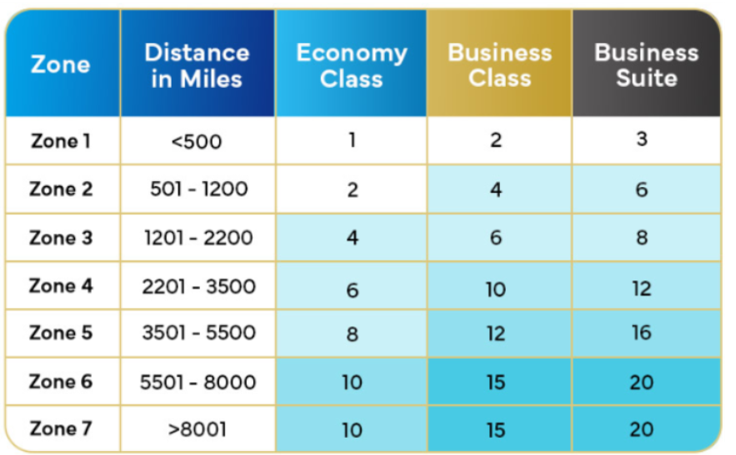
The table below is the published MH and oneworld EP chart. For MH routes, the official destination-zone list is a useful companion. Firefly-operated flights use a separate chart, even when sold with an MH code.
| Zone | Published sector distance | Economy / Premium Economy | Business | Business Suite / First |
|---|---|---|---|---|
| 1 | Less than 500 miles | 1 EP | 2 EP | 3 EP |
| 2 | 501–1,200 miles | 2 EP | 4 EP | 6 EP |
| 3 | 1,201–2,200 miles | 4 EP | 6 EP | 8 EP |
| 4 | 2,201–3,500 miles | 6 EP | 10 EP | 12 EP |
| 5 | 3,501–5,500 miles | 8 EP | 12 EP | 16 EP |
| 6 | 5,501–8,000 miles | 10 EP | 15 EP | 20 EP |
| 7 | More than 8,001 miles | 10 EP | 15 EP | 20 EP |
The chart's published wording leaves exactly 500 and 8,001 miles unclear. If a sector falls on one of those boundaries, use the zone confirmed by Enrich. For oneworld EP, Premium Economy uses the Economy column and First uses the Business Suite column. Domestic “First” and products branded “Business Studio” still need the programme's cabin mapping checked; their names alone do not settle it.
A Penang–Tokyo trip, worked all the way through
Take an eligible MH return journey from Penang to Tokyo through Kuala Lumpur. It has four sectors: PEN–KUL, KUL–Tokyo, Tokyo–KUL and KUL–PEN. Penang–Kuala Lumpur is Zone 1; the KUL–Tokyo flights are Zone 4. If every sector is in Economy, the calculation is 1 + 6 + 6 + 1 = 14 EP.
If all four sectors are in Business, the total becomes 2 + 10 + 10 + 2 = 24 EP. A mixed-cabin booking with the short domestic flights in Economy and the Tokyo flights in Business earns 1 + 10 + 10 + 1 = 22 EP. This is why you should expand the itinerary details before paying: a search result labelled Business may still include an Economy feeder flight.
Now change the starting point to Kuching or Kota Kinabalu, connecting through KUL. The domestic sectors in these examples are Zone 2, so an all-Economy Tokyo return totals 2 + 6 + 6 + 2 = 16 EP, while an all-Business return totals 4 + 10 + 10 + 4 = 28 EP. The destination is the same, but the individual flights have changed the earning.
| Eligible paid MH return journey | Economy EP | Business EP |
|---|---|---|
| KUL–PEN–KUL | 2 | 4 |
| KUL–KCH–KUL or KUL–BKI–KUL | 4 | 8 |
| KUL–HKG–KUL | 8 | 12 |
| KUL–Tokyo–KUL or KUL–Osaka–KUL | 12 | 20 |
| KUL–London–KUL | 20 | 30 |
These examples explain the calculation; they do not make a connection automatically worthwhile. Adding a detour, another hotel night or a separate positioning ticket has a cost in money and time. Include those costs before choosing an itinerary for extra EP.
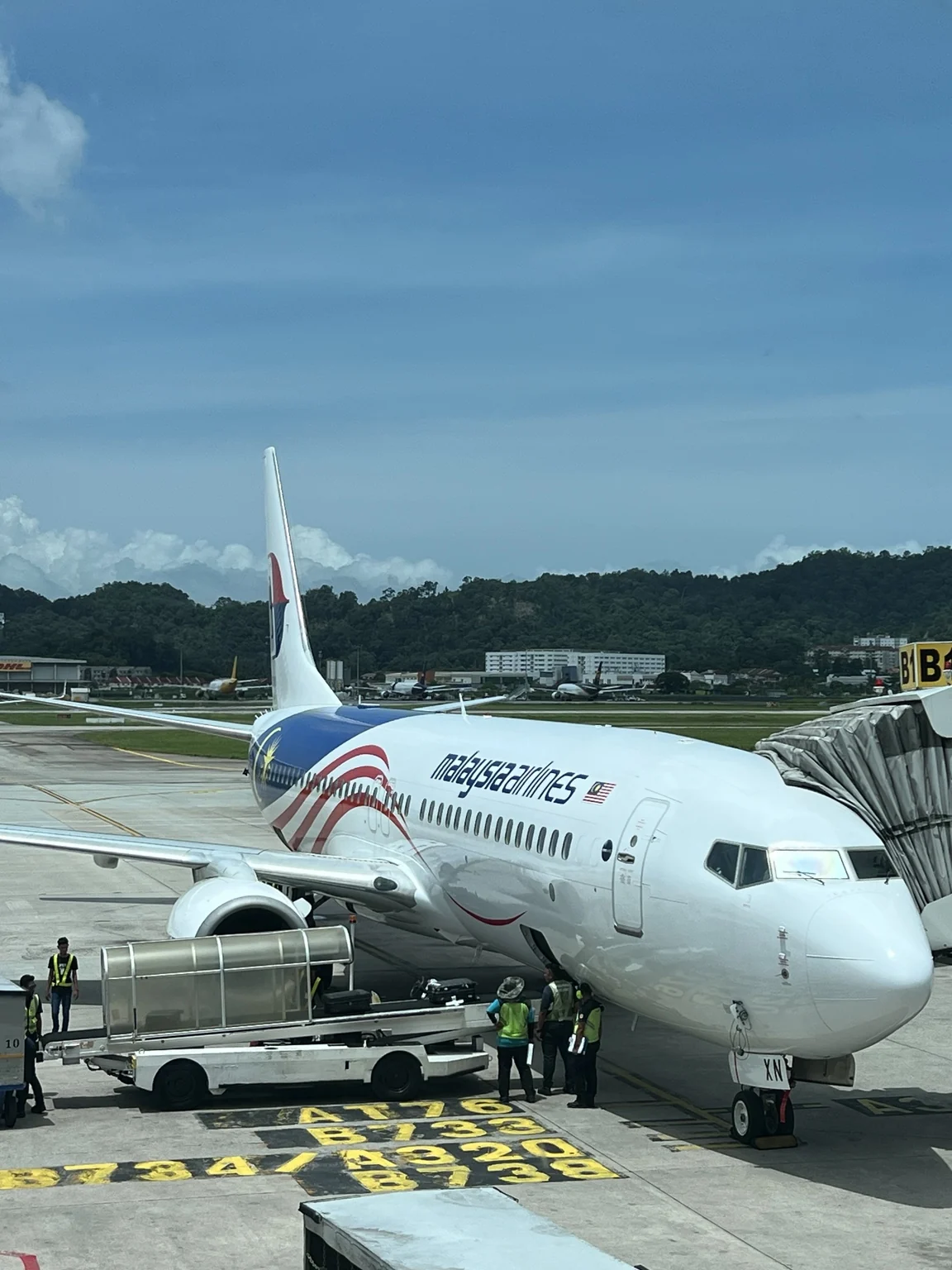
Partner flights and codeshares: how to know what will count
A partner booking requires two checks. First, is the flight and booking class eligible to earn with Enrich? Second, which distance zone and cabin apply? Doing the arithmetic before confirming eligibility is a common way to build a status plan around points that will never arrive.
The booking class, also called RBD, is a letter such as Y, H, Q or P. It is more specific than the cabin name. Two seats sold as Economy can belong to different booking classes with different earning rules. The same letter can also mean different things on different airlines, so a class that earns on Qatar is not automatically eligible on Cathay.
A partner percentage does not reduce the EP column
Return to the hypothetical Cathay H-class sector of 1,600 TPM. Its 50% redeemable earning produces 800 Enrich Points. For status, however, an eligible Zone 3 Economy sector earns 4 EP. You do not take 50% of 4 and reduce it to 2 EP. A Y-class passenger earning 100% receives more redeemable points but still receives 4 EP for that same eligible sector.
Eligibility remains crucial. Cathay's cheaper Economy classes L/V/S/N/Q/O are not listed in the reviewed Enrich earning chart, so they should not be included in an EP plan without confirmation. This can make a discounted partner fare very different from a discounted MH fare. Before buying specifically to reach a tier, ask for the booking-class letter of every sector, then check the relevant Enrich partner page.
A connecting partner itinerary is still calculated sector by sector. For an illustration, assume KUL–Doha falls in Zone 5 and Doha–Rome in Zone 4, with eligible Qatar booking classes. Economy earns 8 + 6 EP each way, or 28 EP return; Business earns 12 + 10 each way, or 44 EP return. Verify the actual ticket's TPM and eligibility before treating those illustrative totals as your own earning.
What changes when the ticket is a codeshare?
A codeshare is a flight sold under one airline's flight number but operated by another airline. The airline whose code is on the booking is the marketing carrier; the airline providing the aircraft and crew is the operating carrier. An MH flight number therefore does not, by itself, prove that the flight is operated by Malaysia Airlines or earns the same way as a pure MH flight.
Qualifying MH9000-series codeshares operated by oneworld airlines can earn EP, while non-oneworld operators and the specified MH4000/MH5000 exclusions need particular care. MH/Firefly exceptions exist, and Firefly operation uses the Firefly earning chart. Selected non-oneworld partnerships may award redeemable Enrich Points without awarding status EP. The MH partner rules explain that distinction.
For a useful enquiry, provide Enrich with the marketing flight number, the named operator, the booking class for each sector and the travel date. “Will my flight to Japan earn points?” leaves too much unanswered. “Will this MH-coded, JAL-operated sector in this booking class earn Enrich Points and EP?” gives the airline the information needed to check the actual ticket.
Redeeming points for a trip you actually want
The best redemption starts with a trip, not an impressive-looking points balance. Decide where you want to go, how many passengers need seats and which dates are workable. Then compare the available points options with a cash ticket you would realistically buy. A reward that saves money on your preferred trip can be more useful than a theoretically high-value redemption that requires an inconvenient detour.
For MH, Enrich Saver offers fixed points prices on selected MH-operated flights. Availability still matters: search for both passengers if travelling as a couple. Its published notes require a return booking, although chart prices are displayed one way. Double the relevant one-way amounts when planning the points needed.
To search, sign in to Enrich Online, open Book a Flight, then Redeem Flight. Enter your route and dates and select an available Saver option. Saver uses full points; include any cash charges when comparing the final booking with a cash fare.
Enrich also supports online oneworld redemption through Malaysia Airlines. These awards use full points, with taxes and charges paid separately; Points + Cash is not available. The published online rules exclude codeshares, stopovers and open jaws. For options the website does not show, contact Malaysia Airlines using the details on that official page.
Partner availability is separate from ordinary ticket sales. A seat sold for cash on another airline's website is not proof that Enrich can book it as an award. Confirm the full itinerary before moving bank rewards: transfers take time and use minimum blocks, and a transfer should not be assumed reversible if the award disappears.
Work out what the redemption actually saves
Suppose a return ticket you would otherwise buy costs RM1,600. An available reward for a comparable itinerary requires 45,000 points plus RM250 in unavoidable cash charges. You are using points to avoid RM1,350 of spending, so each point is giving you RM1,350 ÷ 45,000 = RM0.03, or 3 sen.
Now suppose a different flight you would happily take costs RM1,000. The practical saving from the same reward is only RM750, or about 1.67 sen per point. Neither calculation is a permanent valuation of Enrich. They answer a specific question: how much money would using these points save on the alternative available to you?
Business Class adds another judgement. A reward can make a more comfortable seat attainable, particularly on an overnight journey, even if you would never pay the headline Business fare in cash. In that situation, consider both the cash you avoid and what the improved experience is worth to you. Using an expensive unrestricted fare as the comparison can exaggerate the apparent saving if you would otherwise buy a much cheaper ticket.
Change rules, cancellation terms, baggage and transit time belong in the comparison too. A reward with awkward timing or restrictive conditions may be less useful than a slightly more expensive option that fits your plans. Hotels, shopping and vouchers are also possible uses of Enrich Points, but calculate their actual return before choosing them over a flight redemption.
Award travel and elite earning are separate decisions
Full-points awards generally do not earn EP. Eligible MH Points + Cash awards earn 1 EP per flown sector, regardless of cabin. An eligible KUL–Tokyo return booked that way therefore earns 2 EP, rather than the 12 Economy or 20 Business EP in the paid-ticket examples. A redemption may be excellent for your holiday while contributing very little to your status target.
An eligible paid upgrade from a cash ticket works differently. The 2026 upgrade explanation gives KUL–Tokyo Economy as 6 EP and Business as 10 EP: after an eligible paid upgrade, the total is 10, not 6 + 10. You receive the appropriate cabin difference. Complimentary upgrades and upgrades from full-award tickets should not be assumed to create that additional earning.
Standard Enrich Points expire three years from the month they are credited, while promotional points can have shorter validity. Check the expiry shown for your balance before planning a transfer or saving for a distant trip. A small new transaction does not automatically renew every older point. Platinum Points earned during Platinum membership receive the different treatment explained earlier.
Which Malaysian credit cards help with Enrich?
A card can help you in two quite different ways: build redeemable points from spending, or reduce the flying needed for status. The strongest card for one purpose is not necessarily the strongest for the other. Understanding that distinction is more useful than choosing whichever card has an airline logo on the front.
AmBank Enrich: the direct route to a lower status target
The AmBank Enrich Visa Infinite and Visa Platinum give eligible principal cardholders a 30% reduction in EP requirements. The current published targets are 25 EP for Silver, 49 for Gold and 98 for Platinum. This reduces the target; ordinary card spending does not itself turn into EP, and holding the card does not automatically give you Gold.
Consider someone expecting to earn 50 EP from trips already planned for the year. That traveller would be below the standard 70-EP Gold threshold, but above the eligible cardholder target of 49. The card can change the result without requiring another long-haul trip. For someone expecting only 10 EP, however, the same reduction still leaves a substantial gap. The value depends on the travel you will actually complete.
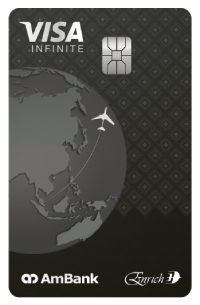
Visa Infinite is also useful to examine if lounge access for two is the immediate objective. Its eligible Golden Lounge entitlement covers the principal cardholder and one guest without a visit cap, using the required voucher. It is restricted to the applicable KLIA lounges and qualifying MH-numbered, MH-operated flights on MH 232 ticket stock; the guest must travel on the same flight. It is not a substitute for Sapphire lounge access across oneworld.
That distinction can save unnecessary status chasing. If you mainly fly MH from KUL with a companion, the card's specific lounge benefit may meet that need before you reach Gold. If you also want lounge access on Cathay, Qatar or other eligible oneworld journeys, Gold has a broader role. You cannot assume that holding both entitlements lets you combine their guest allowances; Enrich specifies that only one privilege can be used at a time.
The Infinite product page lists RM100,000 minimum annual income and a standard RM500 annual fee. The current first-year fee waiver applies to approvals by 30 June 2027; subsequent waivers depend on annual spending, with 50% at RM50,000–99,999.99 and full waiver at RM100,000. Judge those terms against normal spending and benefits you will use, rather than increasing spending just to avoid the fee.
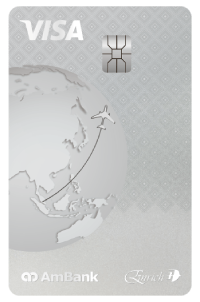
Visa Platinum offers the same eligible status thresholds with a lower listed minimum annual income of RM24,000 and a free-for-life annual fee. Its lounge benefit is four principal-only visits per 12 months from the card anniversary. This is a materially different proposition for a couple: four individual admissions are not automatically two lounge visits for two people. The Platinum product page sets out its separate eligibility and benefits.
| Eligible spending | AmBank Enrich Visa Infinite | AmBank Enrich Visa Platinum |
|---|---|---|
| Foreign currency / Malaysia Airlines | RM2 per Enrich Point | RM3 per Enrich Point |
| Local / other airlines | RM6 per point | RM7 per point |
| Local education, insurance and utilities | RM12 per point | RM13 per point |
The January 2026 terms cap combined local education, insurance and utilities earning at 8,000 Enrich Points per statement cycle. They also exclude categories and payment methods including petrol, designated e-wallet transactions, JomPAY, FPX and DuitNow QR. This is a statement-cycle cap, not a daily allowance that resets when you make the next payment tomorrow.
Both cards offer discounts of up to 12% on eligible normal MH fares or 5% on selected promotional fares through the prescribed booking and card-payment flow. Compare the final total, since taxes and excluded itineraries do not receive the headline discount. Keep the card properly linked to the correct Enrich account and in good standing. Cancelling it removes the reduced qualification requirement and can trigger a tier review if you have not met the standard target.
HLB Infinite: particularly relevant for eligible dining
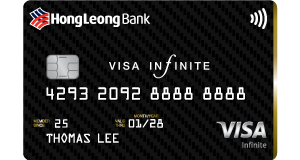
HLB Infinite earns one Enrich Point per RM1 of eligible dining, including the specified local dining MCCs 5811, 5812 and 5814. Selected travel and shopping earn one point per RM4, while other eligible spending earns one per RM6. Its April 2026 terms state uncapped monthly earning, with transaction eligibility and rounding rules still applying.
On RM3,000 of qualifying dining, that is approximately 3,000 Enrich Points. The same eligible local spending on AmBank Infinite would produce about 500. This illustrates why you might retain an AmBank card for its status or lounge benefits while using a different card for a spending category. HLB's stronger dining earning builds redeemable points; it does not provide the AmBank-style reduction in EP targets.
Amex Platinum Charge: understand the conversion before comparing it
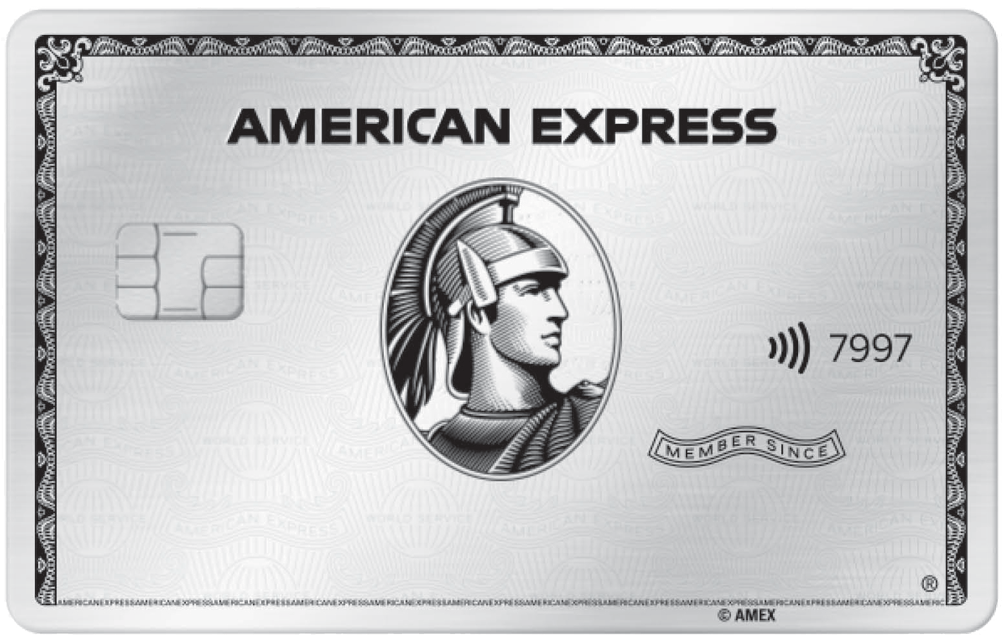
The Malaysian Amex Platinum Charge card earns 5 Membership Rewards points per RM1 on eligible general spending. Maybank's August 2026 conversion table lists 7,000 MR for 1,000 Enrich Points for this specific card. Dividing 5 by 7 gives about 0.714 Enrich Points per RM1, before transfer blocks and rounding. Utilities, education and insurance earn at the lower 1 MR rate.
For the same hypothetical RM3,000 qualifying general purchase, 15,000 MR represents about 2,143 Enrich Points of mathematical value. If transfers are made in 7,000-MR blocks, that balance supports 2,000 points from 14,000 MR, with 1,000 MR left over. The distinction between an effective earning rate and an immediately transferable amount matters when you are trying to top up for an award.
The Platinum Charge is different from the Amex Platinum credit card, and their conversion rates should not be mixed. Its RM3,250 annual fee also means that earning alone is not a complete reason to hold it. Assess the travel benefits you actually use and remember that the same Charge-card conversion table includes KrisFlyer. It can offer a choice of airline programme, whereas automatically credited Enrich points are already committed to Enrich.
Caps and transfer rules can change the apparent winner
A points multiplier is only the first part of a comparison. You also need the airline conversion ratio, eligible spending category and cap period. A card advertising 8X bank points is not necessarily earning eight airline points per ringgit. Likewise, a monthly bonus cap cannot be avoided by spreading the same amount across several days in that month.
For example, the HSBC TravelOne foreign-currency rate in our Malaysian travel-card guide works out at roughly 0.381 Enrich Points per RM1 before its bonus cap. The 20,000 bonus-RP monthly limit is reached at about RM2,857 of eligible spending when the bonus component is seven RP per ringgit. Base earning continues, but the average return on a larger bill falls. CIMB's category and overall statement-cycle caps require a similar calculation, while Maybank has airline-transfer limits and a collective monthly quota.
For a large payment, distinguish a daily transaction limit from a rewards cap, then check what will actually post as eligible spending. Foreign-currency fees, annual fees and excluded transactions belong in the cost calculation. The full card guide compares Maybank Reserve, CIMB Travel cards and HSBC TravelOne alongside the cards discussed here, with their official images and terms. Airline transfers to Enrich or KrisFlyer deserve a proper comparison before choosing a lower-return hotel transfer simply because it is available.
When MHflypass makes sense
MHflypass Malaysia and ASEAN let you prepay for a defined set of eligible journeys. The products offer six one-way quotas, equivalent to up to three return trips, within the purchased coverage. A pass is for one adult Enrich member and lasts 365 days from purchase. It is therefore more useful to someone who can identify several journeys they will actually take than to someone buying a pass because the headline price looks low.
The Malaysia product starts from RM869 and ASEAN from RM1,739 on the page checked for this guide, before relevant airport taxes and fuel surcharges. Those starting prices do not buy every route in the highest coverage zone. Work out the pass version you need, then add the charges payable when redeeming each journey. Compare that total with ordinary tickets for the same trips, including the flexibility you would otherwise pay for.
MHflypass can contribute EP when eligible flights are completed. Buying a pass does not immediately credit all the status earning of the journeys you might eventually take. The Malaysia terms distinguish purchase-related redeemable points from flight-related EP. The pass's own coverage zones are also different from Enrich's distance zones: a pass labelled Zone 3 does not automatically mean each flight earns Zone 3 EP.
One quota can contain more than one flight sector
This is especially relevant outside Kuala Lumpur. An allowed connection without a stopover may use one one-way quota while containing two flights. On an eligible MH Economy PEN–KUL–BKI journey covered by the correct pass, the outbound sectors earn 1 + 2 EP. Flying the reverse journey adds 2 + 1, for 6 EP per return using two one-way quotas.
Three such return trips would use six quotas and earn 18 EP. That can support a larger annual plan, but it does not reach either the eligible AmBank Silver target of 25 or the standard Silver target of 35 on its own. The ASEAN terms similarly illustrate a permitted SIN–KUL–BKK connection using one quota for the relevant product.
Seat availability, permitted routes and the purchased pass's conditions still control what you can book. The specified passes are Economy-only, non-transferable and non-refundable, with conditional date changes and Go Show; they should not be treated as a route into an upgradeable Business booking. Check the terms of the exact Malaysia or ASEAN product, rather than carrying an older booking-class rule from one pass into another.
Finally, remember that a pass valid for 365 days can span two EP calendar years. A flight taken in January belongs to the new activity year even if you bought the pass in December. A pass only saves money if the journeys you use, and the benefits you value, justify its total cost.
Building a realistic plan for Gold or Platinum
Start with the flights you expect to take anyway, then calculate their eligible EP. This gives you a useful answer before you consider changing a cabin or buying another trip. It also prevents a common mistake: choosing a status target first and then spending heavily to make the travel fit it.
Consider a Penang-based traveller with two eligible MH Business returns to Tokyo and one MH Economy return to Kuala Lumpur during the same calendar year. Each Tokyo return via KUL earns 24 EP in the all-Business example. The KUL return adds 2, bringing the annual total to 50 EP. That is enough for eligible AmBank Gold at 49, but leaves the traveller 20 EP short of standard Gold at 70.
| Planned eligible journey | EP added | Running total |
|---|---|---|
| PEN–KUL–Tokyo–KUL–PEN, all Business | 24 | 24 |
| A second equivalent Business return | 24 | 48 |
| PEN–KUL–PEN, Economy | 2 | 50 |
If Gold is the objective, the next decision is whether the eligible co-brand card makes sense for that traveller's circumstances. Adding RM1 of ordinary card spending does not add an EP, but the reduced target can make the existing travel sufficient. Without the eligible card, another planned qualifying trip may close the gap. Buying an unnecessary journey solely to change the membership colour should be judged against the benefits it would actually unlock.
For a KUL-based illustration, three eligible Tokyo Business returns give 60 EP. A BKI Business return adds 8, and a PEN Economy return adds 2, reaching 70 EP. At the higher tier, four Tokyo Business returns plus one London Economy return give 100 EP: enough for eligible AmBank Platinum at 98, but below standard Platinum at 140. These examples show how the target changes the result, not a recommendation to purchase those journeys.
When paying for an upgrade is worth considering
Suppose you already plan a KUL–Tokyo Economy return earning 12 EP, and an eligible paid upgrade to Business in both directions costs RM1,200 extra. Business earns 20 EP, so the upgrade adds 8 EP at RM150 per additional EP. The relevant status cost is the extra RM1,200, because you were taking the original journey anyway.
You would also receive the Business cabin experience, which may be worth part of that price to you. The decision becomes whether the cabin improvement and any status benefit unlocked justify the additional spending. If you are still far from the target, paying for the upgrade may be a comfort purchase without delivering the status outcome you hoped for. A points redemption must be assessed separately because its EP earning can be much lower.
Promotional double-EP or fast-track offers can improve a plan when the actual booking and travel qualify. Check registration, dates, eligible routes and quotas before counting one. Enrich Hotels can also offer EP on eligible reservations, but confirm the reservation's entitlement: the 2026 headline describes one EP per 8,000 points, while linked older hotel terms use a per-booking condition. Do not build a shortfall calculation on an unconfirmed assumption that 16,000 points guarantees two EP. For a chain hotel, compare the total with a direct booking and the hotel loyalty benefits you might otherwise receive.
The qualification year and carry-forward
Enrich measures annual qualifying activity from 1 January to 31 December. The membership term for an earned elite tier covers the qualification year and the following calendar year under the programme rules. This means the date you actually fly matters: paying in December for a January departure does not normally place that flight's EP in December's year.
Eligible excess EP can help with the following year through tier carry-forward. For example, standard Gold earned with 95 EP leaves 25 above the 70-EP requirement. Those 25 can carry forward within the applicable rules; the full 95 do not move across. An eligible AmBank Gold member with 72 EP has 23 above the 49-EP requirement.
| Tier | Standard maximum carried forward | Eligible principal AmBank maximum |
|---|---|---|
| Silver | 18 EP | 13 EP |
| Gold | 35 EP | 25 EP |
| Platinum | 70 EP | 49 EP |
Carry-forward is allowed once from the current year into the next, within the tier's limit. The amount posted on 1 January is final under the current rules; a later missing-flight adjustment can affect tier status without recalculating that carried balance. Checking your account before year-end is therefore part of managing the programme, rather than an administrative task to leave until much later.
Partner booking-class reference
Use this table after confirming the airline operating and marketing your flight. It lists selected paid booking classes in Enrich's partner charts and their redeemable-points percentages of TPM. For an eligible class, EP are then calculated from the zone and cabin table above. A 25% or 50% figure here is not a percentage reduction to the EP column.
| Airline / applicable chart | Listed Economy classes | Premium Economy | Business / other premium classes |
|---|---|---|---|
| Qatar Airways | Y/B/H 100%; K/M 50%; L/V/S/N/T/Q/O/G/W 25% | Not listed | J/C/D/I 125%; R 100%; P 75%; First F/A 150% |
| Cathay Pacific | Y/B 100%; H/K/M 50% | W/R/E 110% | J/C/D/P/I 125%; First F/A 150% |
| British Airways | Y/B/H 100%; K/M 50%; L/V/S/N/Q/O/G 25% | W/E/T 100% | J/C/D/R 125%; I 100%; First F/A 150% |
| Finnair | Y/B/H 100%; V/L/N/S/Q/O/K/M/Z 50%; G 25% | E/W/T/P 100% | J/C/D 125%; I/R 100% |
| JAL international | Y/B 100%; H/K/M 75%; L/V/S 50%; O/Z/G/Q/N 25% | W/R 100%; E 70%; paid P 50% | J/C/D/I 130%; X 70%; First F 180%; A requires confirmation |
| Qantas: Australia–UK/Europe/Asia and Asia–UK | Y 85%; B/H/K/M/L/V 25% | W/R/T 95% | J/C/D/I 110%; First F/A 135% |
| Qantas: rest of world | Y 100%; B/H 50%; K/M/L/V 25% | W/R/T 110% | J/C/D/I 125%; First F/A 150% |
| American: travel from 6 April 2026 | Y/B 100%; H 75%; K/M/L/V 50%; S/G/N/Q/O 25% | W/P 125% | J/C/D/R/I 125%; First F/A 150% |
| Alaska / Hawaiian: current Enrich chart | Y/B/H 100%; K/M/L 50%; V/S/N/Q/O/G/X 25% | Premium Class W/P/R 100% | First J/C/D 125%; I 100%; OA First F/A 150% |
| Oman Air | Y/B/H/K 100%; M/L/V/S 50%; N/Q/O/R/T/G 25%; E 10% | Not listed | J/C/D 200%; I/P 150%; Business Studio F 240%, paid A 200% |
Consult the relevant official chart when choosing a fare: Qatar, Cathay, British Airways, Finnair, JAL, Qantas, American, Alaska/Hawaiian and Oman Air.
Ticket type can override an apparently eligible letter. JAL's international chart contains conflicting entries for A, so this guide does not promise A-class earning. Paid JAL P appears in the chart, but P-class award redemptions do not earn; domestic JAL uses separate Economy Y/A, Class J J/I and First F/E categories. Oman A awards are also excluded despite paid A appearing in its chart. For Alaska/Hawaiian domestic First and Oman Business Studio, confirm the EP cabin mapping rather than inferring it from the premium product name.
For MH's published distance-based table, Economy lists Y/B/H/K/M/L/V/S/N/Q/O/G, Business J/C/D/Z and Business Suite F/A/P. That list does not make an award eligible or switch every pure MH cash ticket to distance-based redeemable earning. For Iberia, Fiji Airways, Royal Air Maroc, Royal Jordanian and SriLankan, use the Enrich partner directory to reach the applicable chart. This reference is a starting point for checking a ticket, not a substitute for the conditions attached to it.
Making your next trip count
Before your next booking, decide whether the priority is an attractive fare, a particular redemption or progress towards a tier. Save the route, operator, booking class and cabin for each sector, and add your Enrich number to the booking. Those few details make the later earning check much easier and help you spot a mixed-cabin itinerary or an ineligible partner fare before paying.
After travelling, compare both the Enrich Points and EP credited with what the ticket should earn. Keep the e-ticket and boarding passes until the activity has posted correctly. The programme terms require missing-credit claims within 180 days, with supporting documents; partner verification can take time. If a flight is missing, deal with it while you still have the paperwork and before it disrupts a year-end qualification plan.
Enrich works best when the programme supports a trip you already want. For one traveller that may mean remaining Blue and redeeming card-earned points. For another, it may mean reaching Gold through regular MH and oneworld travel and making Economy journeys more comfortable. Choose the outcome you will actually use, then let the earning rules help you get there at a sensible cost.


The conversation
Questions, tips & experiences.
Have a question about this guide, or a useful travel tip? Every comment is reviewed before it appears.
0 comments
Be the first to share a question or a helpful tip.